

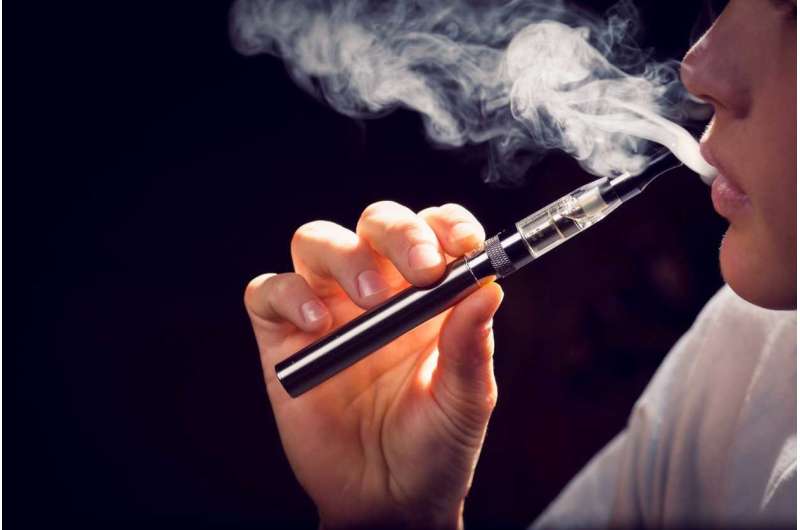
The rise in e-cigarette use has taken the world by storm, and Thailand is no exception. Many people view them as a safer option compared to traditional cigarettes, especially due to the absence of tar and the reduced levels of certain harmful chemicals. However, this perspective can often overshadow the real concerns. It’s vital to understand that while they may pose fewer risks than smoking, they are far from harmless. For those exploring options such as purchasing E-cigarettes online (called บุหรี่ไฟฟ้าออนไลน์ in Thai), it’s important to weigh these risks carefully before making a decision.
E-cigarettes work by heating a liquid containing nicotine, flavourings, and other chemicals. This process produces a vapour that users inhale, which is why it’s commonly referred to as “vaping.” Thailand’s vape culture has recently widened, particularly among younger demographics, despite legal restrictions. However, the misconceptions surrounding their safety can lead to underestimating their potential harm. Research has indicated that vaping can have short-term and long-term effects on lung health, including irritation and inflammation.
For Thai consumers, the appeal may also lie in the convenience of shopping for E-cigarettes online. Yet, even when accessible, knowledge about their effects often lags behind. Unlike cigarettes, they may not produce second-hand smoke, but the emissions contain fine particles and chemicals that can impact both users and bystanders. Addressing these facts is essential for individuals, particularly in environments where public health standards are a growing focus.
The Health Risks of E-Cigarettes
The primary ingredient used in most e-liquids is nicotine, an addictive substance that can affect brain development in young people. This is a significant concern in Thailand, where many teens have taken up vaping. Regular use has been linked to dependency, as well as an increased likelihood of transitioning to traditional cigarettes. Additionally, the flavouring chemicals used in e-liquids may not be as benign as they seem. Some contain compounds like diacetyl, which has been tied to serious respiratory diseases.
While vaping doesn’t burn tobacco like a cigarette does, the heating process can still produce harmful substances. Formaldehyde and acrolein, for instance, are chemicals found in some e-liquids and are known to irritate the lungs. The long-term consequences of inhaling these substances remain uncertain but could prove damaging over time.
Social and Legal Implications in Thailand
Thailand has stringent rules concerning e-cigarettes. The import, sale, and possession of vaping products are banned, which makes their usage a sensitive issue. Yet, despite these restrictions, the black market continues to thrive, particularly through digital platforms. The ease of finding such products online means many may unknowingly break the law while purchasing vaping devices.
The lack of regulation also means consumers are often unaware of product quality. Substandard devices or e-liquids can increase risks, as they might contain higher concentrations of harmful chemicals or fail to meet basic safety standards. For Thai communities already working to address public health challenges, the emergence of e-cigarettes adds another layer of complexity.
A Step Towards Better Awareness
To reduce harm, it’s necessary to approach the issue of vaping with a focus on education. Clearing misconceptions and providing evidence-based knowledge can empower individuals to make informed decisions. Thai parents, schools, and health organisations would benefit from collaborative efforts to highlight the potential dangers while encouraging young people to avoid starting in the first place.
While the idea of vaping as an alternative may seem appealing at first glance, it is crucial to recognise the underlying risks and legal challenges, especially in a country like Thailand. For now, viewing e-cigarettes as a completely safe option remains a misconception that needs to be addressed.