

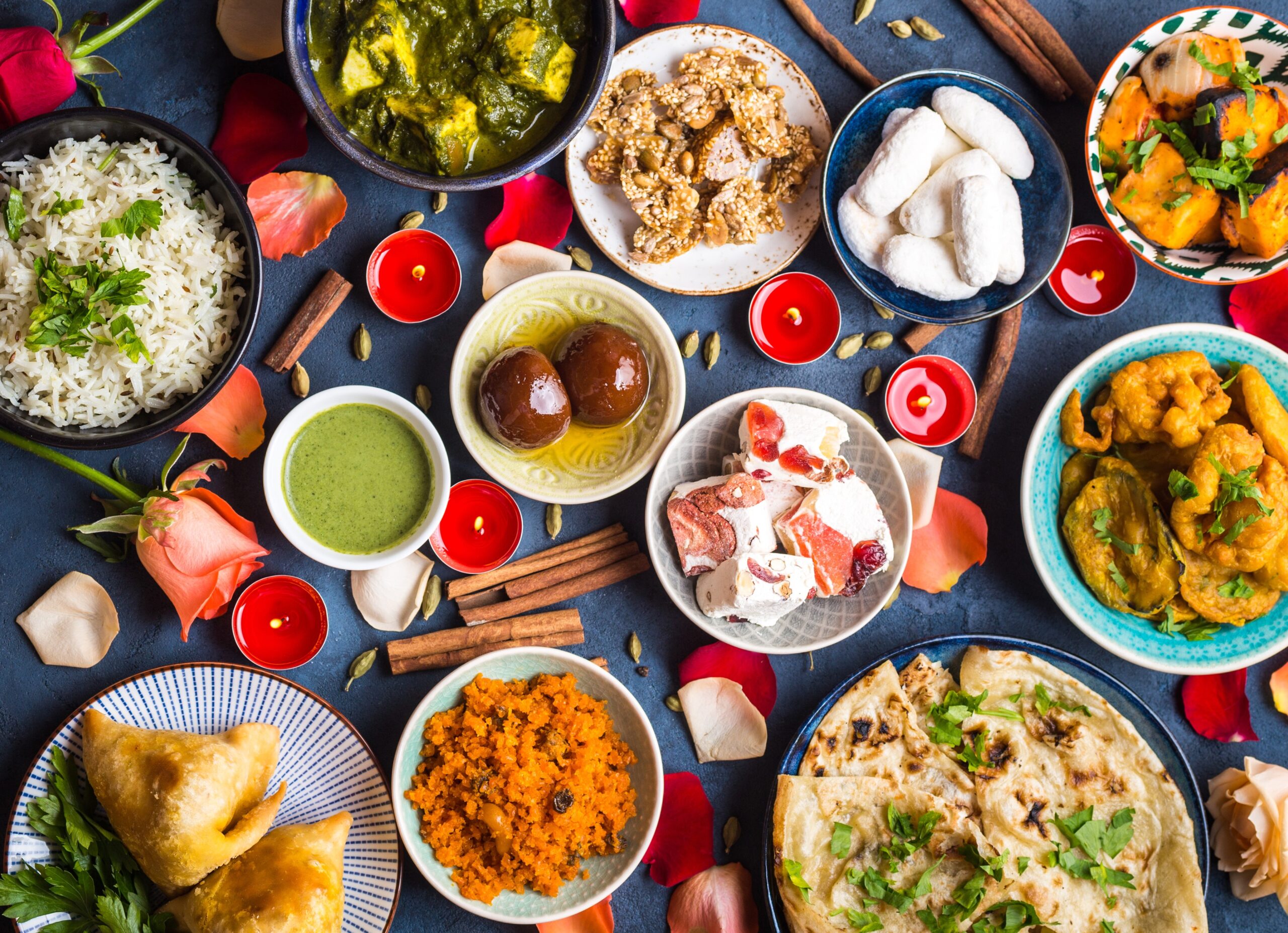
Food plays a central role in human life. It nourishes the body, brings people together, and reflects the history and values of different communities. Beyond simple sustenance, food influences health, culture, lifestyle, and even the global economy.
What Makes Food So Essential?
Food provides the nutrients our bodies need to function properly. Each meal delivers a combination of carbohydrates, proteins, fats, vitamins, and minerals that support energy, growth, and overall well-being. The choices we make every day determine our long-term health.
Key Roles of Food
- Energy production for daily activities
- Growth and repair of body tissues
- Strengthening the immune system
- Maintaining mental clarity and mood
A balanced diet ensures that the body receives everything it needs to stay healthy and active.
Understanding Different Food Groups
1. Fruits and Vegetables
Packed with vitamins, minerals, and antioxidants, fruits and vegetables are essential for preventing diseases and maintaining a strong immune system.
2. Whole Grains
Whole grains like oats, brown rice, and quinoa supply fiber, which supports digestion and helps regulate blood sugar levels.
3. Proteins
Proteins come from both animal and plant-based sources. Options include:
- Lean meats
- Eggs
- Fish
- Beans
- Lentils
- Nuts
They are vital for building muscles, repairing tissues, and producing hormones.
4. Dairy and Alternatives
Dairy products provide calcium, important for strong bones and teeth. Plant-based alternatives like almond, soy, and oat milk offer additional options for those with dietary restrictions.
5. Healthy Fats
Healthy fats support brain function and cell growth. Examples include:
- Olive oil
- Avocados
- Nuts and seeds
- Fatty fish
Food and Culture: A Global Connection
Food is deeply tied to cultural identity. Every region has its own flavors, traditions, and cooking methods that tell a story about the people who live there.
Examples of Cultural Influence
- Spices in Indian cuisine reflect ancient trade routes
- Mediterranean foods emphasize fresh produce and healthy fats
- East Asian dishes highlight balance and simplicity
- Latin American meals celebrate bold flavors and community traditions
Food brings families and communities together during festivals, celebrations, and everyday meals.
The Rise of Healthy Eating Trends
People today are more aware of how food affects long-term health. This has led to a rise in conscious eating habits.
Popular Healthy Eating Trends
- Plant-based diets focused on whole foods
- Organic and clean eating with minimal processing
- Functional foods rich in nutrients like probiotics
- Sustainable eating to reduce environmental impact
These trends highlight a growing interest in foods that support both personal health and planetary well-being.
How to Make Healthier Food Choices
Choosing healthier foods doesn’t require drastic changes. Small adjustments can make a significant difference.
Practical Tips
- Fill half your plate with fruits and vegetables
- Choose whole grains over refined grains
- Opt for lean proteins
- Drink plenty of water
- Limit sugary and processed foods
- Read nutrition labels carefully
These habits support long-term wellness and help prevent lifestyle-related diseases.
FAQs
1. What is the healthiest way to cook food?
Steaming, baking, grilling, and sautéing with minimal oil preserve nutrients better than deep-frying.
2. How much water should I drink daily?
While needs vary, a general guideline is 6–8 glasses per day, depending on activity level and climate.
3. Are organic foods better than conventional foods?
Organic foods reduce exposure to chemicals, though both can be part of a healthy diet when eaten in proper balance.
4. What are good snacks for maintaining energy?
Nuts, fruits, yogurt, and whole-grain crackers offer steady energy without excess sugar.
5. How can I reduce sugar in my diet?
Choose unsweetened beverages, limit desserts, and check food labels for hidden sugars.
6. Is plant-based eating suitable for everyone?
Most people can benefit from a plant-rich diet, though individuals with specific health conditions should seek guidance.
7. Why is breakfast important?
Breakfast jump-starts metabolism and improves focus throughout the morning.