

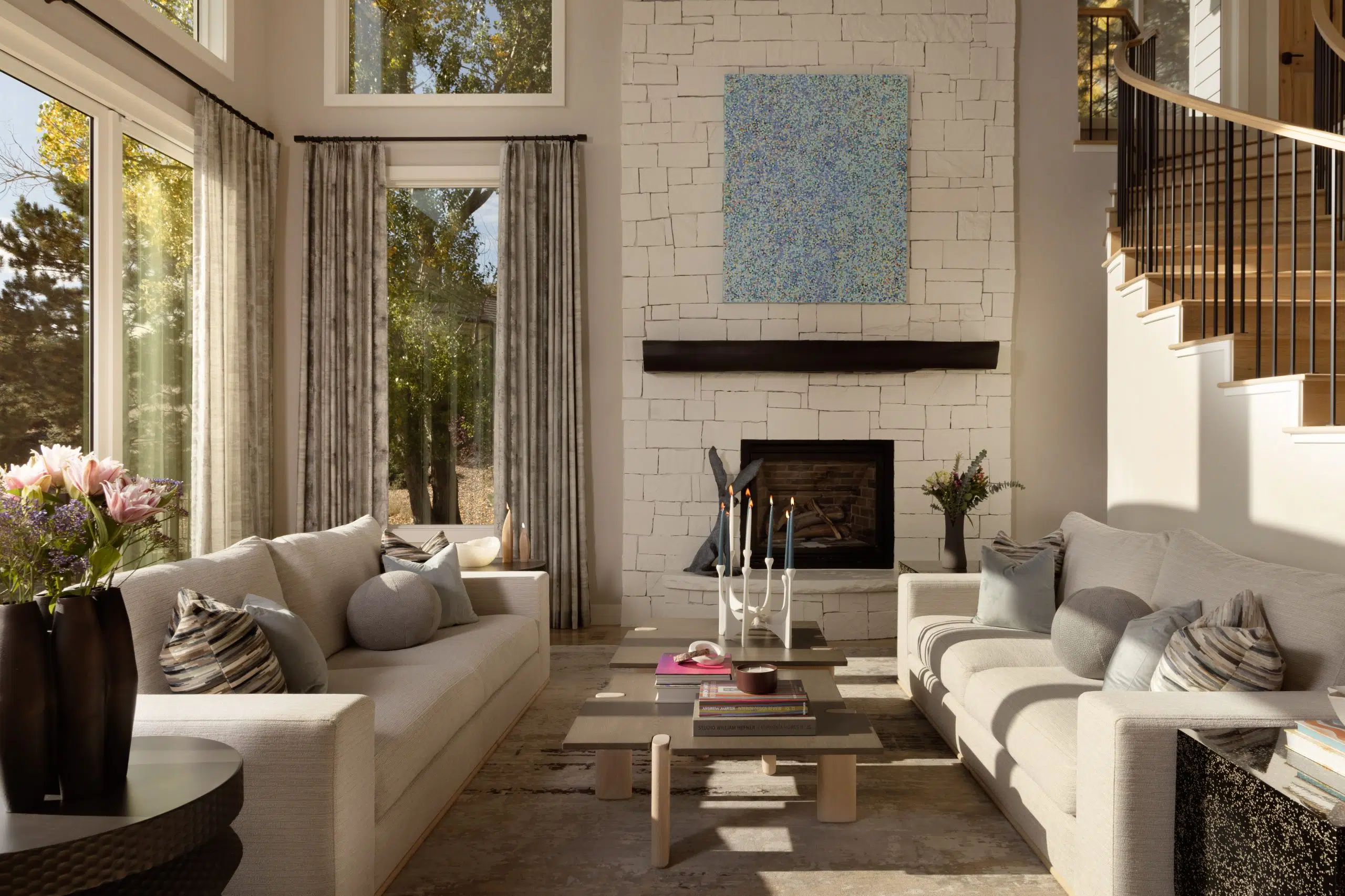
A home is more than a physical structure—it is a personal space that reflects identity, values, and comfort. Whether small or spacious, rented or owned, a well-designed home should support daily routines, promote relaxation, and foster meaningful connections. Understanding what makes a home functional and inviting can greatly improve quality of life.
What Makes a Home Truly Comfortable
A comfortable home balances aesthetics with practicality. It is a place where people feel safe, relaxed, and inspired. Comfort is influenced by factors such as lighting, layout, temperature, and the emotional atmosphere created within the space.
Elements That Enhance Home Comfort
- Natural lighting to brighten rooms
- Ventilation for clean indoor air
- Cozy furniture that supports relaxation
- Functional layouts that improve movement
- Personal touches like décor and photographs
A comfortable environment promotes well-being and reduces everyday stress.
Interior Design Basics for Every Home
Interior design focuses on how spaces look and feel. Thoughtful design choices can make even small rooms feel spacious and inviting.
Key Principles of Interior Design
- Balance: Distributing visual weight evenly
- Harmony: Choosing colors and styles that complement each other
- Functionality: Ensuring each room serves a clear purpose
- Contrast: Adding variation in texture, color, or shape
- Proportion: Scaling furniture appropriately for the space
A well-designed home enhances mood, supports productivity, and brings a sense of order.
Organizing Your Home for Efficiency
Organization plays a major role in maintaining a clean and stress-free environment. When everything has a place, daily routines become smoother and more efficient.
Practical Organization Tips
- Declutter regularly to remove unused items
- Use storage solutions like baskets, shelves, and drawers
- Label containers for easy identification
- Create designated zones for work, relaxation, and hobbies
- Keep high-traffic areas clear and minimal
A tidy home not only looks better but also improves mental clarity.
Maintaining a Healthy Home Environment
A healthy home goes beyond appearance—it includes air quality, cleanliness, and safety. Simple habits can greatly improve the overall living environment.
Ways to Promote a Healthy Home
- Clean frequently to reduce dust and allergens
- Use low-toxicity cleaning products
- Ensure good ventilation through open windows or air purifiers
- Install smoke and carbon monoxide detectors
- Maintain proper household hygiene practices
Healthy living spaces support physical well-being for everyone in the household.
Home Safety Essentials
Safety is crucial in every home, especially for families with children or elderly members. Preventing accidents starts with awareness and preparation.
Home Safety Tips
- Keep walkways clear of tripping hazards
- Store sharp tools and chemicals securely
- Install secure locks on doors and windows
- Ensure electrical outlets and appliances are in good condition
- Use non-slip mats in bathrooms and kitchens
Preparedness helps prevent common household accidents and keeps everyone protected.
Creating Outdoor Spaces That Feel Like Home
Outdoor areas—whether gardens, patios, or balconies—expand living space and offer a refreshing change of environment. Even small outdoor areas can become cozy retreats with simple touches.
Ideas for Outdoor Improvement
- Add comfortable seating
- Incorporate plants or a small garden
- Install soft lighting for evening use
- Use weather-resistant décor
- Create shaded areas for comfort
Outdoor spaces provide opportunities for relaxation, gatherings, and fresh air.
FAQs
1. How can I make a small home feel larger?
Using light colors, mirrors, multi-purpose furniture, and decluttering can create the impression of more space.
2. What are the best indoor plants for improving air quality?
Plants like snake plants, pothos, and spider plants help purify indoor air.
3. How often should I deep clean my home?
Most homes benefit from a deep cleaning every 3–4 months, depending on lifestyle and household size.
4. What is the best way to choose a home color palette?
Start with neutral tones and layer in accent colors that match your style and existing décor.
5. How can I make my home more energy-efficient?
Use LED lighting, insulate windows, unplug unused devices, and choose energy-saving appliances.
6. What furniture pieces are essential for a new home?
Beds, seating, tables, storage units, and basic kitchen essentials form the core of a functional home.
7. How can I maintain a peaceful atmosphere at home?
Reducing clutter, adding soft lighting, and incorporating calming colors contribute to a peaceful environment.