

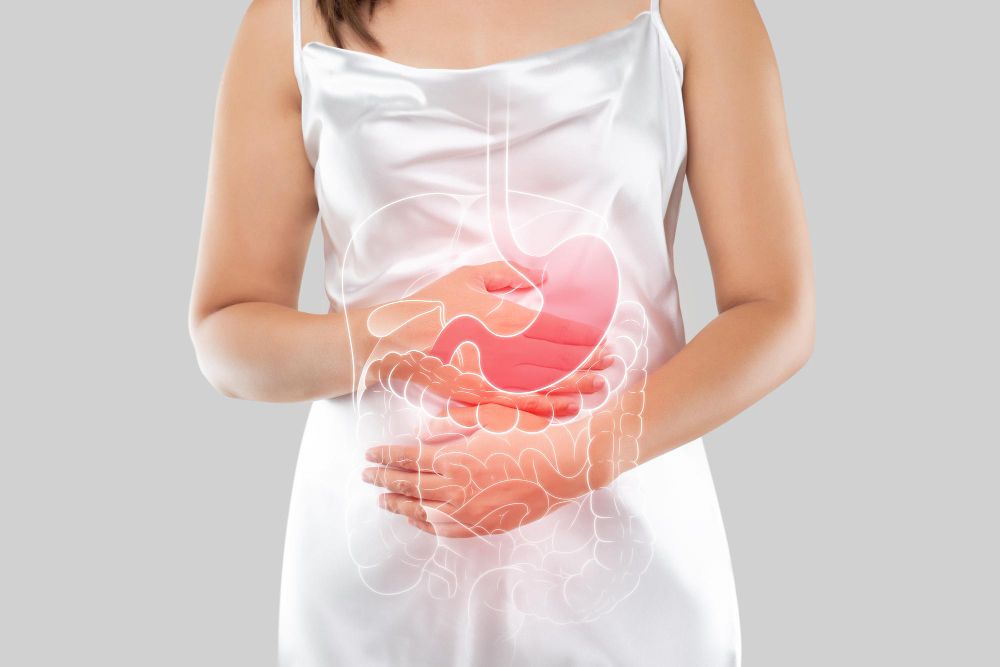
Walk down the wellness aisle of any grocery store or scroll through social media for five minutes, and you will encounter the same piece of universal health advice: if your digestion feels off, take a probiotic. We have been conditioned to treat these capsules of beneficial bacteria as an all-purpose cure for everything from occasional gas to chronic fatigue. For many, that daily pill delivers on its promise of a calm, predictable digestive system.
Yet for a significant number of people, starting a high-potency probiotic triggers an immediate, baffling regression. Instead of finding relief, they develop intense abdominal distension within an hour of swallowing the capsule. Their clothes feel uncomfortably tight by midday, their stomach rumbles loudly, and they find themselves dealing with an uncomfortable mixture of cramping, pressure, and erratic bowel habits.
If this scenario sounds familiar, the issue is rarely that your chosen supplement is poor quality. Rather, the problem is that you may be introducing billions of live microorganisms into an environment that is already dangerously overcrowded. When chronic bloating worsens after taking probiotics, the primary suspect is often Small Intestinal Bacterial Overgrowth, commonly known as SIBO.
A Tale of Two Organs: The Small Intestine Versus the Colon
To understand why a healthy supplement can backfire so dramatically, you have to look at the architectural blueprint of the human digestive tract. Your gastrointestinal system is not a uniform tube where bacteria live equally from end to end. Instead, it is divided into distinct zones, each with its own pH level, muscular rhythm, and microbial density.
The large intestine, or colon, is designed to be a densely populated microbial powerhouse. Trillions of bacteria, fungi, and archaea call the colon home. Here, their primary job is to ferment dietary fibers and leftover matter that your body could not break down earlier. In exchange, these bacteria synthesize crucial nutrients, produce short-chain fatty acids that nourish your intestinal lining, and train your immune system.
The small intestine, which sits directly above the colon, plays an entirely different role. Measuring roughly twenty feet in length, its primary purpose is the enzymatic breakdown of macronutrients and the rapid absorption of vitamins, minerals, fats, and amino acids into your bloodstream.
Because the small intestine is built for clean, efficient absorption rather than fermentation, it is designed to keep bacterial numbers comparatively sparse. While the colon holds roughly one trillion bacterial cells per milliliter of fluid, a healthy small intestine contains only a few thousand. When bacteria from the colon migrate upward, or when resident populations multiply unchecked within the small intestine, that sterile, efficient absorption chamber transforms into a chaotic fermentation vat.
What Happens When Microbes Colonize the Wrong Zone
When an overgrowth takes root in the small intestine, normal digestion breaks down. Under ordinary circumstances, the carbohydrates you eat—starches, natural sugars, and soluble fibers—are broken down by human enzymes and absorbed through the intestinal villi long before they ever reach the bacteria living in the colon.
In a person with SIBO, that timeline is disrupted. The misplaced bacteria intercept dietary carbohydrates within minutes of food leaving the stomach. Because bacteria feed on sugars and starches through rapid fermentation, they produce significant volumes of metabolic gas as a byproduct.
Fermentation is normal in the colon, which has a wide diameter and thick muscular walls capable of accommodating and expelling gas. The small intestine, however, is a narrow, highly sensitive, tortuous tube densely wrapped in sensory nerves. When excessive gas expands inside these delicate tissues, it causes painful stretching, visceral hypersensitivity, and the hallmark physical sensation of SIBO: profound abdominal distension that often makes individuals feel as though their abdomen has doubled in size by late afternoon.
The Gaseous Fingerprints: Hydrogen, Methane, and Sulfide
The specific symptoms you experience often depend on which types of microorganisms have populated the small bowel. Different microbial populations produce distinct gaseous byproducts, each interacting with your gut physiology in a specific way.
When standard bacteria ferment carbohydrates, they primarily generate hydrogen gas. Hydrogen production tends to irritate the mucosal lining and accelerate transit time, frequently leading to loose stools, sudden cramping, and chronic diarrhea.
However, certain single-celled organisms called archaea consume the hydrogen produced by neighboring bacteria and convert it into methane gas. Methane is not merely an inert byproduct; it acts as a local paralytic agent on the smooth muscles of the digestive wall. It dampens peristalsis, causing transit times to slow to a crawl. People with high levels of methane overgrowth—now formally categorized by clinicians as Intestinal Methanogen Overgrowth (IMO)—almost universally struggle with severe, stubborn constipation, chronic upper-abdominal fullness, and persistent reflux.
A third group of organisms produces hydrogen sulfide gas, identifiable by its classic rotten-egg odor. Hydrogen sulfide can directly irritate mucosal barriers and is often linked to urgent diarrhea, localized gut hypersensitivity, and intolerance to sulfur-rich foods like garlic, onions, and cruciferous vegetables.
Why Probiotics Turn SIBO into a Flare-Up
Once you understand that SIBO is an issue of bacterial location and volume, the failure of conventional probiotics becomes logical. Taking a commercial probiotic when you have an active small bowel overgrowth is equivalent to throwing dry brush onto an uncontrolled brushfire.
Most commercial supplements contain tens of billions of colony-forming units (CFUs) belonging to the Lactobacillus and Bifidobacterium species. While these strains are beneficial in a balanced colon, dumping billions of live, metabolically active bacteria straight into an already crowded small intestine simply adds more mouths to feed. These supplemental microbes immediately join the feeding frenzy, consuming available carbohydrates, accelerating fermentation, and generating immediate spikes in gas and pressure.
Furthermore, many probiotic formulations are manufactured with added prebiotics—compounds such as inulin, chicory root extract, fructooligosaccharides (FOS), or arabinogalactan. Supplement companies include these non-digestible fibers intentionally to provide an immediate food source for the beneficial bacteria in the capsule. In a healthy gut, prebiotics are wonderful tools for nourishing the microbiome. In a gut burdened by SIBO, a prebiotic is pure rocket fuel for the overgrowth, virtually guaranteeing a severe bout of painful bloating and distress within hours of consumption.
There is also the issue of metabolic byproducts beyond gas. Certain strains of Lactobacillus generate D-lactic acid during fermentation. When produced in excessive amounts in the small intestine, D-lactate can be absorbed directly into the bloodstream, contributing not just to abdominal discomfort, but to systemic symptoms like sudden brain fog, fatigue, and headaches after meals. Other strains are potent histamine producers, which can trigger unexplained flushing, nasal congestion, heart palpitations, or skin itching in individuals whose gut barriers are already irritated and inflamed.
The Underlying Mechanical Failures Behind the Overgrowth
It is easy to view SIBO as an infection, but it is more accurately described as a secondary symptom of a breakdown in gut motility and defense mechanisms. Healthy bodies possess robust anatomical and chemical barriers that prevent colonic bacteria from colonizing the small bowel. When SIBO occurs, it means one or more of these protective systems has stalled.
The Breakdown of the Migrating Motor Complex
The most common primary driver of SIBO is an impaired Migrating Motor Complex (MMC). The MMC is an intrinsic electrical and muscular cleaning wave that sweeps through the stomach and small intestine between meals and while you sleep.
Every ninety to one hundred and twenty minutes during periods of fasting, the MMC initiates strong, sweeping muscular contractions. Think of it as the gastrointestinal tract’s automated street sweeper: it clears out undigested food particles, sloughed-off cellular debris, and transient bacteria, pushing everything downward through the ileocecal valve into the colon.
If this sweeping wave is suppressed or damaged, stagnant fluid and food debris remain trapped in the small intestine, creating a hospitable breeding ground for bacteria. The MMC is remarkably delicate. It can be impaired by past episodes of acute food poisoning or viral gastroenteritis, which can trigger an autoimmune reaction that damages the enteric nerves responsible for gut motility. Chronic psychological stress, traumatic brain injuries, hypothyroidism, and poorly managed diabetes can similarly disrupt the neurological signaling required to keep the cleaning wave functioning.
Chemical Barriers and Valve Competence
Beyond mechanical clearing, your digestive system relies on several chemical gates to sterilize incoming food and prevent bacterial proliferation.
Strong stomach acid serves as your initial line of defense, neutralizing the vast majority of environmental microbes swallowed with meals. When individuals rely on long-term acid-suppressing medications like proton pump inhibitors (PPIs) or suffer from low stomach acid production due to aging or chronic stress, that natural sterilization barrier dissolves. Similarly, healthy flows of bile acids from the liver and gallbladder, along with proteolytic enzymes from the pancreas, act as potent natural detergents that break down food and keep microbial numbers checked.
Finally, an anatomical flap called the ileocecal valve sits at the junction where the small intestine empties into the colon. This one-way muscular valve is engineered to open when waste needs to exit into the large bowel, then seal tightly shut behind it. If this valve becomes chronically stuck open, inflamed, or surgically altered, bacteria from the dense colonic ecosystem can easily crawl backward into the small intestine.
A Strategic Framework for Clearing the Overgrowth
Treating SIBO requires a structured, multi-phase clinical strategy. Simply avoiding probiotics or cutting out carbohydrates might provide short-term symptom relief, but it does nothing to correct the underlying physiological dysfunction.
Accurate Testing Before Intervention
The foundational step in addressing persistent, treatment-resistant bloating is obtaining an objective diagnosis. Because endoscopies cannot easily reach the vast majority of the small intestine, the clinical gold standard for SIBO diagnosis is a non-invasive lactulose breath test.
During this evaluation, an individual drinks a specific sugar solution (lactulose) that human digestive enzymes cannot absorb. As the solution travels through the small intestine, any resident bacteria will ferment it, releasing hydrogen and methane gases. These gases diffuse into the bloodstream, travel to the lungs, and are exhaled through the breath. By measuring gas levels in breath samples collected every fifteen to twenty minutes over a three-hour window, clinicians can pinpoint not only whether an overgrowth exists, but which types of gases are dominant and roughly where along the small intestine the problem resides.
Strategic Antimicrobial Eradication
Once the specific gas profile is confirmed, the focus shifts to selectively reducing the misplaced microbial population. This is typically accomplished through targeted pharmaceuticals or clinically validated botanical antimicrobials.
In conventional medicine, the non-absorbable antibiotic rifaximin is commonly prescribed for hydrogen-dominant SIBO. Because rifaximin is barely absorbed into the bloodstream, ninety-nine percent of the medication remains inside the digestive tract, concentrating its antimicrobial activity directly in the small intestine without significantly disrupting the broader colonic microbiome. For methane-dominant overgrowths, rifaximin is typically paired with a second agent, such as neomycin or metronidazole, to effectively target hardy archaea.
Alternatively, standardized herbal antimicrobial regimens—often utilizing concentrated extracts of oil of oregano, berberine, neem, and allicin (the active constituent in garlic)—have demonstrated comparable efficacy in clinical practice. These botanicals break down microbial cell membranes and clear biofilms, bringing bacterial populations back to safe, physiological levels.
Restoring Motility and Preventing Relapse
The most critical, yet frequently neglected, phase of SIBO recovery is preventing recurrence. Even after an overgrowth is cleared, relapse rates remain notoriously high if the small intestine’s sweeping wave remains dormant.
Activating the Migrating Motor Complex requires both lifestyle adjustments and targeted support:
-
Meal spacing: Grazing or snacking constantly throughout the day keeps your digestive tract in a perpetual state of active digestion, which completely shuts down the MMC. Leaving three to five hours of uninterrupted fasting between meals gives the cleaning wave the uninterrupted time it needs to cycle through the small bowel.
-
Overnight fasting: Allowing twelve hours of digestive rest between your evening meal and breakfast allows the most robust cycles of the MMC to perform deep restorative clearing while you sleep.
-
Prokinetic agents: Following an antimicrobial protocol, using natural or pharmaceutical prokinetics—such as standardized ginger root extract, low-dose naltrexone, or 5-HTP—stimulates the smooth muscle contractions of the upper gut, ensuring that food and fluid keep moving steadily downward.
When to Reintroduce Beneficial Microbes
A common misconception is that someone who has had SIBO can never take probiotics again. The reality is about timing and species selection.
During active treatment and the immediate recovery window, traditional high-dose multi-strain probiotics containing lactic-acid-producing bacteria should remain on the shelf. If microbial support is needed during this period, clinicians often favor soil-based organisms (spore-forming Bacillus strains) or the non-pathogenic, beneficial yeast Saccharomyces boulardii. Unlike delicate human-strain bacteria, spore-formers survive stomach acid easily, do not actively ferment carbohydrates in the upper gut, and help modulate immune activity without exacerbating gas production.
Once breath tests confirm the small intestine is clear and normal daily motility is fully re-established, standard broad-spectrum probiotics can often be reintroduced gradually. At that stage, your gut possesses the anatomical defenses, motility rates, and chemical environments needed to ensure those beneficial bacteria travel safely down to the colon where they belong.
Living with chronic bloating is exhausting, particularly when following standard health guidance seems to make your symptoms worse. If your daily probiotic leaves you feeling swollen, uncomfortable, and defeated, listen to what your body is communicating. True digestive restoration is rarely about blindly adding more bacteria to the mix; it is about honoring the unique biology of your digestive tract, ensuring every organ does its designated job, and putting the right microbes in their proper place.