

Interface design determines whether players enjoy their gaming experience or abandon platforms in frustration. Poor layouts confuse users, slow down betting, and create errors that cost money. Quality interfaces make complex actions feel intuitive while providing the information players need without overwhelming them. The difference between smooth gameplay and constant irritation often comes down to how designers arrange buttons, organise information, and structure visual elements.
Modern blockchain gaming platforms invest heavily in interface development. https://crypto.games/roulette/ethereum recognises that slick wallets and fast transactions mean nothing if players can’t navigate the actual games smoothly. Interface quality directly impacts player retention. Someone struggling to place bets correctly will leave regardless of how fair the random number generator operates. First impressions form within seconds of loading a game screen.
Wheel visualization options
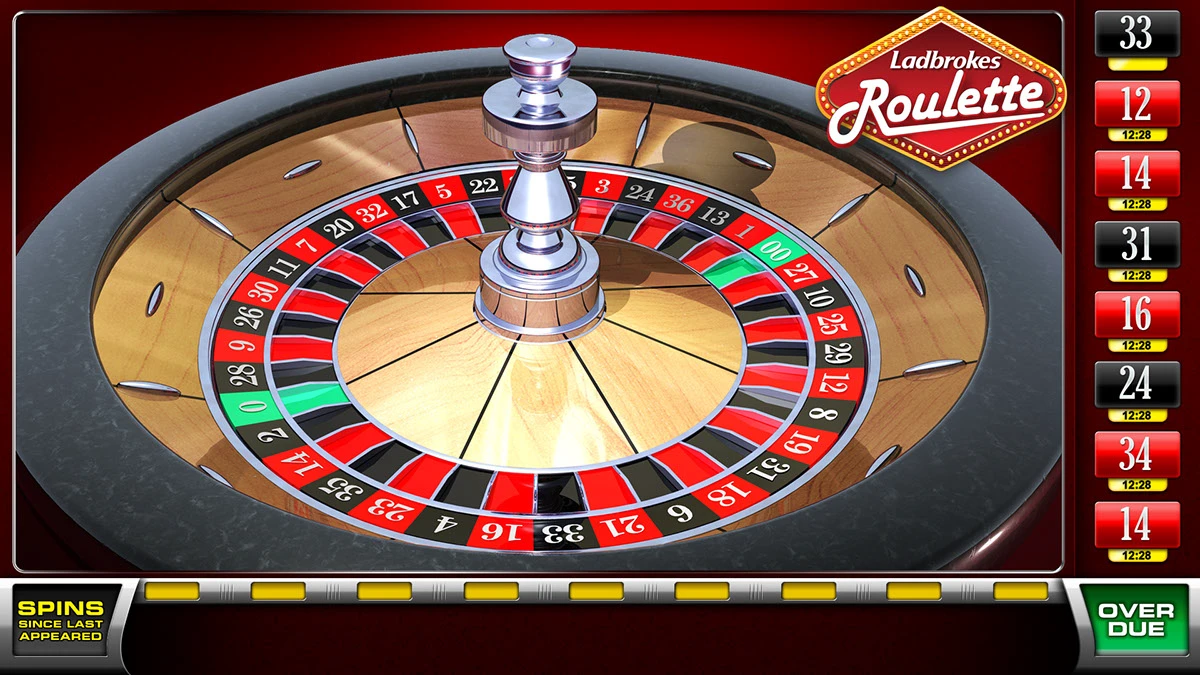
- Some platforms display the wheel prominently during spins. Animations show the ball circling the track before settling into a pocket. These visual elements add entertainment value but serve no functional purpose. The outcome is determined by random number generation before the animation even starts. The spinning wheel visualizes results in a familiar format.
- Other interfaces minimize or eliminate wheel animations. A simple results display shows the winning number without lengthy spinning sequences. This stripped-down approach lets players move through spins faster. The choice between animated wheels and instant results depends purely on personal preference since neither affects actual odds or outcomes.
- Advanced interfaces offer wheel view modes showing the physical pocket arrangement rather than the betting table layout. Players using sector betting strategies need to see which numbers sit adjacent on the actual wheel. These displays help place voisins, tier, or neighbor bets accurately without memorizing wheel geography.
Information display panels
Game history appears in dedicated sections showing previous spin results. Most platforms display the last 10 to 20 outcomes in a scrolling list or grid format. Hot and cold number trackers highlight which numbers hit frequently or rarely during recent sessions. These statistics mean nothing mathematically since each spin remains independent, but players still watch them obsessively.
Balance information stays visible constantly, typically in a corner or header position. Current wallet balance updates after each bet resolves. Some interfaces separate session profit from total balance, letting players track performance without manually calculating changes. Win and loss counters provide additional performance metrics for those monitoring their results closely. Bet totals display prominently before each spin. Players see exactly how much money they’ve wagered across all positions. This transparency prevents accidentally betting more than intended through multiple small placements that add up unexpectedly.
Control and settings
Spin buttons trigger game actions after bets are placed. These buttons usually appear large and centered to prevent hunting for them mid-game. Confirmation prompts before spinning help prevent accidental activations when adjusting bets. Settings menus control sound effects, animation speeds, and display preferences:
- Sound toggles mute music and effect noises
- Animation controls adjust spin duration
- Display options switch between themes or color schemes
- Language settings change interface text
- Autoplay features enable repeated betting patterns
Autoplay deserves caution since it removes manual control over each spin. Players set bet configurations and spin counts, then let the system execute automatically. This feature speeds gameplay but also accelerates losses during cold streaks. Responsible autoplay implementations include loss limits that stop execution after predetermined amounts disappear.